

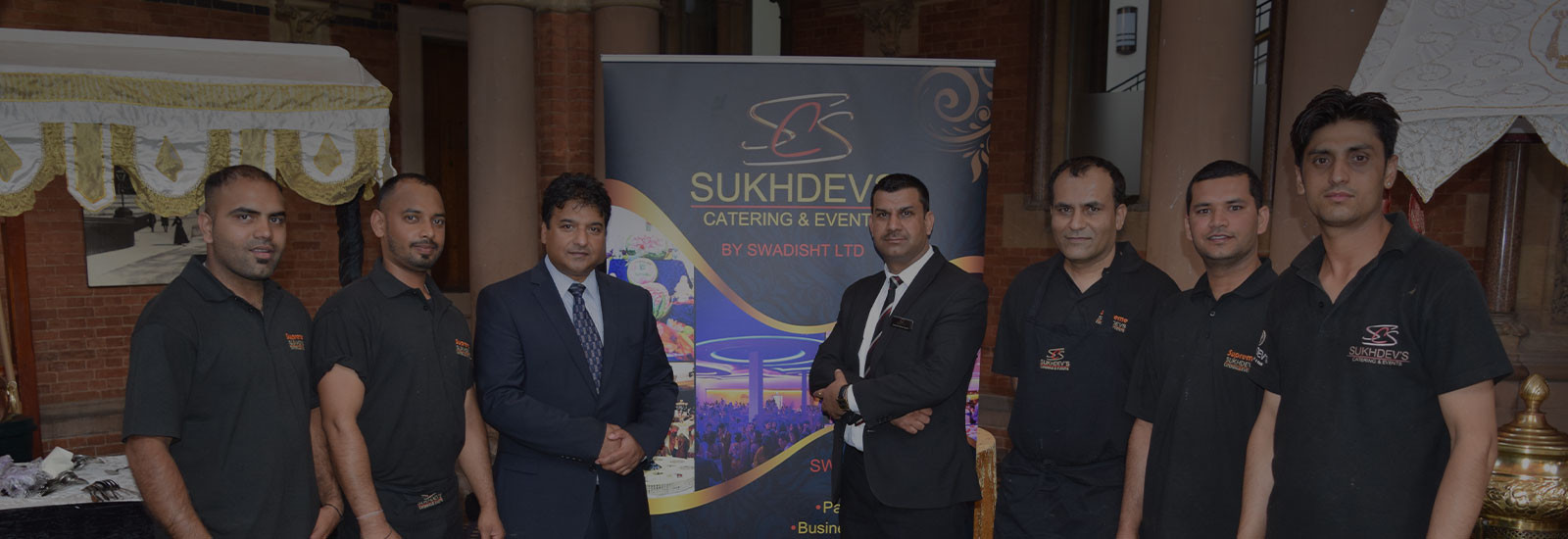
Food is rarely just another part of an Indian wedding. It brings families together, reflects regional traditions, and often becomes part of what guests remember long after the celebrations are over. A good Indian wedding catering menu needs to do more than offer plenty of dishes. It should suit the style of the celebration, the guest list, the venue, and the preferences of the couple.
A traditional wedding may call for familiar curries, biryanis, breads and Indian sweets. A modern reception might work better with cocktail snacks, street food, or a fusion menu. Vegetarian, vegan, gluten-free and halal requirements may also need to be considered. There is no single menu that works for every wedding. The better approach is to build the food around the celebration itself.
A traditional Indian wedding menu gives guests a generous selection of familiar dishes. It can begin with hot and cold starters before moving into a buffet or served meal with vegetarian and non-vegetarian options.
Popular choices can include:
The menu does not need to contain ten different curries to feel generous. A few well-selected mains, supported by rice, breads, sides and desserts, can offer plenty of variety without making the buffet difficult to navigate.
Swadisht provides wedding catering that can include cocktail snacks, coffee and cake buffets, as well as complete meals. Its wedding menus are also customised around the client's preferred setting and requirements.
Punjabi food is a natural fit for a lively wedding celebration. Rich curries, tandoori dishes, hearty dals and freshly prepared breads can create a substantial menu that works particularly well for larger gatherings.
Starters could include paneer tikka, samosas, pakoras and kebabs. The main course might feature dal makhani, butter chicken, shahi paneer, chana masala, seasonal vegetables, rice and naan.
Desserts such as gulab jamun, jalebi and kheer can provide a familiar finish. A Punjabi menu does not have to be heavy from start to finish. Raita, salads, chutneys and lighter vegetable dishes can add contrast and give guests more choice.
Swadisht also specialises in Punjabi catering in Birmingham and the West Midlands, with its food menu including traditional Punjabi dishes alongside other regional Indian options.
A cocktail-style menu can work particularly well for receptions, engagement celebrations and evening wedding functions where guests are standing, talking and moving between different parts of the venue.
Street food-inspired choices might include:
Portion size matters here. Smaller servings are easier to hold and eat while socialising. Individual cups, small plates and neatly presented portions can also make familiar street food feel suited to a formal celebration.
Swadisht's wedding catering service includes cocktail snacks as part of its available catering formats, alongside coffee and cake buffets and complete meals.
India's regional cuisines offer plenty of scope for a wedding menu with some personality. A couple may want to focus on the food associated with their family background, or combine dishes from different regions. North Indian and Mughlai dishes can sit alongside Punjabi favourites, while a separate function might feature a more focused regional menu.
Swadisht has wedding menus that draw from different regional Indian cuisines and can include both traditional favourites and contemporary creations.
A regional menu can also make the food more personal. A family recipe, a dish connected to a particular city, or a favourite meal from childhood can mean more than simply adding another item to the buffet. That personal connection is often what makes a wedding menu stand out.
Vegetarian food should be given the same attention as the rest of the wedding menu. A well-planned vegetarian spread can offer plenty of flavour and variety without relying on one or two token dishes.
Options can include:
Vegan menus need a little more checking because dishes that appear vegetarian may contain butter, cream, yoghurt or ghee. Ingredients and preparation methods should be confirmed before the menu is finalised.
Swadisht wedding catering can accommodate vegetarian, vegan, gluten-free, halal and other dietary preferences.
A buffet works well when a wedding brings together guests with different tastes and food preferences. It gives people the freedom to choose their starters, curries, rice, breads, sides and desserts without making the menu feel too complicated. A balanced buffet could include a few vegetarian and non-vegetarian starters, two or three main curries, dal, rice, naan or other breads, raita, chutneys and a selection of Indian sweets.
Guest numbers should also influence the buffet layout. A larger wedding may need multiple serving points so guests are not waiting in a single queue. Popular dishes should be easy to reach, while vegetarian and other dietary options can be clearly labelled. The serving order, table space and staff available for replenishment all affect how smoothly the meal runs.
Desserts bring a traditional Indian wedding menu to a close and give families another opportunity to include familiar favourites. Gulab jamun, jalebi, rasmalai, kheer, gajar halwa and assorted Indian mithai can be served alongside a wedding cake or other contemporary desserts.
The dessert selection can also reflect the season and the style of the celebration. Warm desserts and richer sweets may suit a winter wedding, while chilled options can work well for summer functions. Rather than filling the dessert table with too many similar items, two or three contrasting choices can give guests more variety without creating unnecessary waste.
Start with the wedding schedule rather than trying to create one large menu for the entire day. Different functions can have different food requirements. A daytime ceremony may need lighter refreshments, while an evening reception could include a full buffet. A cocktail reception may work better with smaller snacks that guests can eat while standing.
A typical wedding catering plan could include:
Welcome drinks: Lassi, juices, soft drinks, or other refreshments.
Cocktail snacks: Small hot and cold dishes served while guests mingle.
Main meal: A combination of starters, curries, vegetables, rice, breads, and sides.
Dessert: Indian sweets, traditional desserts, cake, or a combination.
Late-night food: Smaller portions of popular snacks if the celebration continues into the evening.
Guest numbers also affect the menu and service style. A wedding for 60 guests can be managed differently from a celebration with several hundred people. Larger events require enough serving points, appropriate staffing, clear food labelling and careful timing. The aim is simple. Guests should be able to enjoy the food without spending half the reception waiting for it.
Indian weddings often bring together guests with very different dietary needs. Vegetarian and vegan preferences are common, while some guests may require gluten-free or halal options.
These requirements should be discussed before the final menu is confirmed. It is also useful to label dishes clearly at buffet stations so guests can make informed choices without repeatedly asking staff about ingredients.
Allergies require additional care. A dietary preference and a serious food allergy are not the same thing. Guests with severe allergies should discuss their requirements directly with the caterer before the event. Swadisht states that its catering team works with clients to accommodate vegetarian, vegan, gluten-free, halal and other dietary preferences.
The time of year can influence the type of food guests will enjoy. Summer weddings may suit lighter starters, fresh salads, cooling drinks, raita and less-heavy curries. Winter celebrations can accommodate richer dishes, hot snacks, tandoori food and warming desserts.
The venue matters as well. Outdoor weddings require additional planning around the catering area, equipment, food service, guest movement and weather conditions.
Swadisht offers outdoor wedding catering in Birmingham and states that its team manages catering requirements across different venue types. A menu should therefore be planned alongside the venue rather than in isolation.
No two weddings are exactly alike. One couple may want a traditional Punjabi menu, while another may prefer regional dishes with a modern presentation. Some families may want a fully vegetarian spread for one function and a broader menu for the reception.
Customisation can involve changing the spice level, adding family favourites, selecting dishes from particular regions or creating separate menus for different wedding functions.
Swadisht describes its wedding catering as customisable around the client's preferred setting and requirements, with options including cocktail snacks, coffee and cake buffets and complete meals.
A longer menu is not automatically a better menu. Five or six carefully selected dishes can make more sense than fifteen items that compete for attention.
Taste comes first, but wedding catering involves much more than the food itself. Think about how guests will move around the venue. Where will starters be served? Is there enough room around the buffet? Are vegetarian and vegan dishes clearly marked? Can older guests reach the food comfortably? Will popular dishes need more than one serving point?
These practical details become increasingly important as the guest list grows. Swadisht works with wedding clients to understand catering requirements and offers wedding catering for both smaller and larger celebrations. The company also provides outdoor catering and customised menus for different settings. Good planning keeps the food service moving while allowing guests to focus on the celebration.
A memorable wedding menu does not need to follow one fixed formula. It can be traditional, regional, Punjabi, street-food inspired, vegetarian, or a combination of several styles.
The important part is that the food suits the celebration and the people attending it. Thoughtful Indian Wedding Catering brings together familiar flavours, personal preferences, dietary requirements and practical service planning.
Swadisht Ltd provides Indian and Asian wedding catering in Birmingham and the West Midlands, with customised options covering cocktail snacks, coffee and cake buffets, complete meals and regional Indian cuisine.
A wedding menu can include welcome drinks, cocktail snacks, starters, vegetarian and non-vegetarian mains, rice, breads, sides and desserts. The final selection should reflect the wedding style, guest preferences, season and dietary requirements.
There is no fixed number. A smaller wedding may need a few carefully selected dishes, while a larger celebration may require more variety. Balance is more useful than simply adding more items.
Paneer tikka, samosas, pakoras, kebabs, chaat, aloo tikki and tandoori vegetables are popular choices. Cocktail-sized portions work particularly well when guests are eating while socialising.
Yes. Vegetarian menus can include paneer dishes, dals, vegetable curries, rice, breads and snacks. Vegan options can also be included when dairy-based ingredients are avoided or replaced appropriately.
Yes. Couples can focus on one regional cuisine or combine dishes from different parts of India. This can also be a good way to represent both families' food traditions.
Gulab jamun, jalebi, kheer and traditional Indian sweets are popular options. They can be served alongside cake or other desserts if the couple wants a wider selection.
Yes. Dietary requirements should be discussed with the caterer before the menu is finalised.
Yes. Outdoor catering requires additional planning around the venue, equipment, food preparation and service. Swadisht provides outdoor wedding catering in Birmingham and manages catering requirements for different venue settings.
It is sensible to book as early as possible, especially for popular wedding dates and peak seasons. Early planning gives the catering team time to discuss the menu, guest numbers, venue, dietary requirements and service arrangements.